Newsletter Subscribe
Enter your email address below and subscribe to our newsletter
Enter your email address below and subscribe to our newsletter

 ByJohn A
Mobile technology changes quickly. A phone that was considered advanced only a few years ago may now seem outdated because newer models offer better cameras, faster processors, improved displays, and expanded connectivity.
This constant upgrade cycle creates a practical question for consumers and businesses: what should happen to phones that are no longer needed? Keeping every old device indefinitely is inconvenient, while throwing electronics into regular garbage can waste recoverable resources.
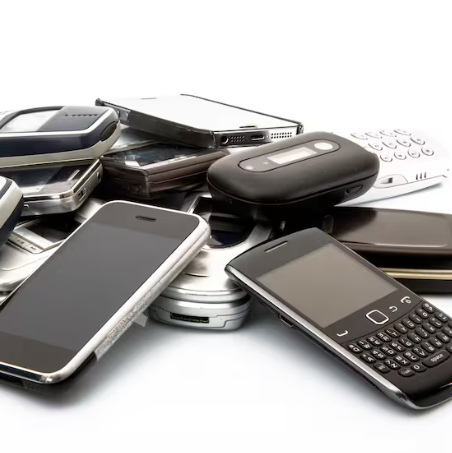
For people and organizations considering old cell phone recycling, the best solution depends on the phone’s condition, data, battery status, and remaining value. Reuse, resale, donation, refurbishment, and recycling can all be appropriate options.
The first step is to determine whether the phone still works.
Check the screen, charging port, battery, camera, buttons, connectivity, and operating system. A phone that functions properly may still have useful life.
Older devices can serve as backup phones, secondary work devices, or basic communication tools.
If the device is severely damaged, however, recycling may be a more practical option.
Before a phone changes ownership, users should take data protection seriously.
Phones can store photographs, contacts, emails, messages, documents, application information, and account credentials.
Important information should be backed up before the device is prepared for transfer. Users should also remove personal accounts and follow the manufacturer’s recommended reset procedure.
This step is essential whether the phone is being sold, donated, reused, or recycled.
A functioning phone may still have financial value.
Before selling it, owners can research its condition, model, storage capacity, carrier compatibility, and market demand.
Cleaning the device and including appropriate accessories may also improve its appeal.
However, users should never sacrifice data security simply to make a sale. Information protection should come first.
Donation can be a practical option for devices that remain functional but no longer meet the original owner’s needs.
Organizations and community programs may use older phones for communication or other purposes.
Before donating, verify that the receiving organization accepts the particular device and understands its condition.
A donation is most beneficial when the phone can genuinely be used rather than simply being transferred from one storage location to another.
When a phone is no longer practical to use, recycling can provide a responsible end-of-life option.
Modern mobile devices contain metals, plastics, glass, circuit boards, and batteries. Appropriate recycling processes can separate and recover useful materials.
This helps reduce the amount of electronics entering conventional waste streams and supports a more circular approach to resource use.
Mobile phone batteries should receive special attention. Rechargeable batteries can create safety concerns if they are damaged, crushed, punctured, or exposed to unsuitable conditions.
Users should follow local instructions for recycling phones and batteries rather than attempting to remove or dismantle batteries without the appropriate knowledge and equipment.
If a phone has a swollen, leaking, or visibly damaged battery, it should be handled with particular care.
Companies often have more complex requirements than individual consumers.
A corporate phone may contain customer information, employee communications, authentication tools, proprietary applications, and other business data.
Businesses should therefore maintain mobile asset inventories and establish clear retirement procedures.
Employees should know exactly where they should return company devices and what they should not do with them.
One of the simplest ways to improve electronic waste management is to stop treating unwanted phones as ordinary household garbage.
Putting electronics in general trash can prevent valuable materials from being recovered and may create unnecessary environmental concerns.
Organizations and consumers should instead identify appropriate electronics recycling options available in their area.
The best recycling decisions begin much earlier than the moment a phone is discarded.
Consumers can choose durable devices, use protective cases, maintain batteries appropriately, repair phones when practical, and keep devices in service longer.
Businesses can establish longer refresh cycles where appropriate and consider refurbishment before automatically replacing equipment.
These decisions reduce waste before recycling is even required.
Technology upgrades are unlikely to slow down significantly. New devices will continue to appear, and consumers will continue replacing older models.
The goal is therefore not to stop using new technology. Instead, the goal is to manage the full lifecycle of each device more responsibly.
A simple process of evaluating condition, protecting data, considering reuse, and recycling appropriately can prevent many phones from becoming unnecessary waste.
Old cell phones still have value even when they are no longer useful to their original owners. Some can be reused, sold, donated, or refurbished, while others should enter responsible recycling channels.
The most important considerations are data protection, battery safety, device condition, and choosing an appropriate final destination.
By thinking beyond the upgrade itself and considering what happens to the old device, consumers and businesses can reduce waste, recover valuable materials, and make more responsible technology choices.